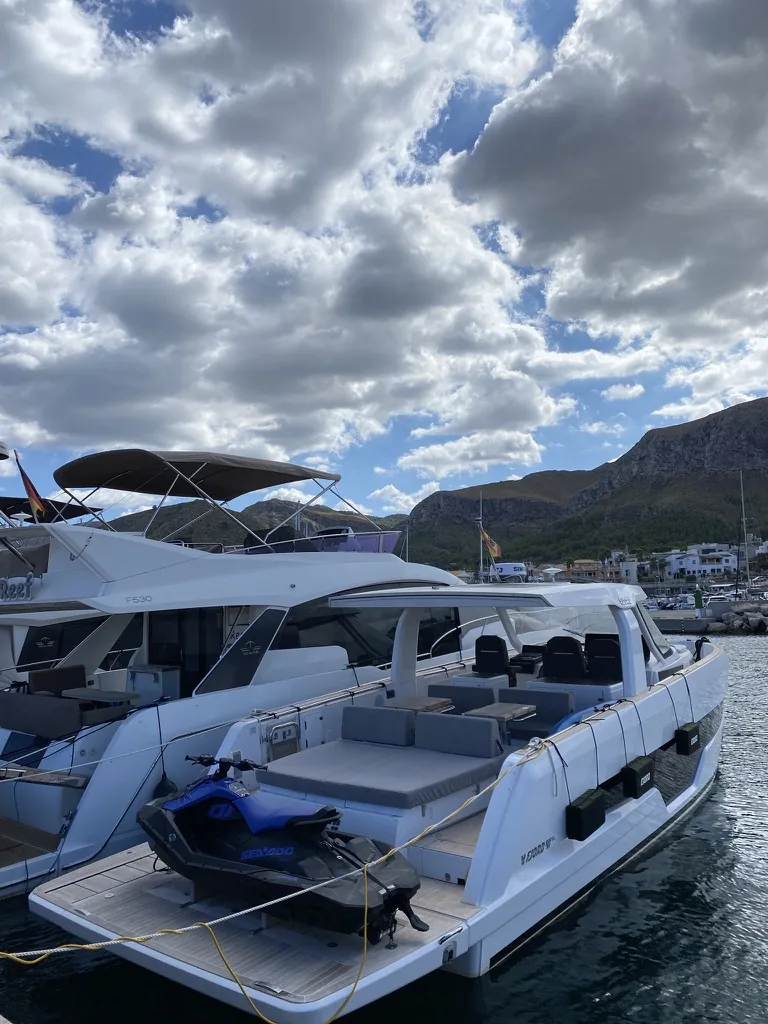
Sailing on Mallorca
Steady breezes, sheltered coves and a coastline made for exploring under sail
Why Mallorca Is a Sailing Paradise
With around 550 km of coastline, the island gives you a new bay to sail into every hour. The afternoon embat breeze blows reliably along the south coast, the north bay stays flat in the morning, and the Cabrera archipelago sits an easy day sail from Palma. Marinas are close together, so you can anchor for lunch and be back in port before sunset.
Ways to Go Sailing
From a first afternoon on the water to a week under way
Skippered Day Sails
A captain takes you out for three to eight hours along the Tramuntana coast or across Palma Bay. No experience needed, and swimming stops are built into the route.
Bareboat Charter
Take a monohull or catamaran out yourself if you hold the right certificates. Most bases ask for a recognised skipper licence plus a deposit and a check-out sail.
Catamaran & Family Sails
Wide decks, shallow draught and stable motion make catamarans the easy choice with children. Many crews bring lunch aboard and motor into a cala for a swim.
Sunset & Dinner Cruises
Short evening sails with the light on the cathedral, wine and a simple dinner served on deck. Popular for anniversaries and small groups.
Sailing Schools & Courses
Learn from dinghy level up to a cruising certificate, with theory and sea time combined. Courses run all year and fill quickly in spring.
Regattas & Club Racing
Club calendars run from spring through autumn, including the heavy cruiser season and the autumn cup weeks. Crew places are often available for visitors.
Where to Set Off From
Marinas and anchorages with the best sailing from them
Palma Bay
The island's sailing centre. The Real Club Nàutic de Palma and Club Nàutic S'Arenal put you within an hour of the Cabrera marine park, and the city marina has everything from chandlery to fuel.
Alcúdia Bay
A large, shallow bay with flat water in the morning, protected by the Formentor headland. Ideal for beginners, families and dinghy sailing, with easy access to the north coast.
Port d'Andratx
A small, pretty harbour on the southwest coast and the natural starting point for the Tramuntana cliffs. The sail north to Sa Calata and Cala Vinyes is one of the prettiest short hops on the island.
Port de Sóller
A horseshoe bay under the mountains, with a club marina right on the sand. The bay is a good shelter when the tramuntana blows hard up north.
Porto Cristo & Cala Gova
On the east coast, close to the Caves of Drach and the Cala Gova reserve. A convenient base for hopping south towards the Cala Mondragó and Cala Santanyí bays.
Cabrera Archipelago
A national park and marine reserve about 25 km south of Palma. Visits need a permit, anchoring is restricted to marked moorings, and the posidonia meadows must be left alone - which is exactly why the water is so clear.
Best Time to Sail Mallorca
Wind, water and crowd conditions through the year
Spring (March-May)
The most reliable sailing months. The embat builds in the afternoon and drops off at dusk, ports are quiet and moorings are easy to find.
Summer (June-August)
Warm, calm and busy. Mornings are glassy, afternoons bring a steady breeze. Book charters and moorings weeks ahead, especially around Palma.
Autumn (September-November)
Still warm, noticeably emptier and the season for club racing. Occasional autumn storms can build a heavy sea, so check forecasts before going far out.
Winter (December-February)
For experienced crews only. The tramuntana can push strong gusts down the west coast, but clear cold days with nobody on the water are the island's best-kept secret.
Sailing Tips for Mallorca
Check the Certificates You Need
Bareboat charter requires a recognised skipper licence and often proof of VHF competence. EU skippers usually need a Patrón certificate or an equivalent national licence plus an ICC.
Leave the Posidonia Alone
The seagrass meadows along the coast are protected and vital for clear water. Use marked moorings or authorised anchorages and never drop an anchor on the seagrass.
Read the Tramuntana
The north wind accelerates as it spills over the mountains and can double in the channels between islets. A calm morning is not a promise about the afternoon.
Book Moorings Before You Travel
Popular bays such as Cala Figuera, Cala Mondragó and Port de Sóller fill up in July and August. Reserve berth space, permits and any skippered sail well in advance.